Photo by CardMapr.nl on Unsplash
Cards with Cash Back
To borrow a British idiom, a cash back credit card, “does what it says on the tin.” That is to say, it speaks for itself. The credit card provider agrees to pay a percentage back to the customer based on their spending. Typically, most offers will be in the region of 1 to 5%. This means that if you spend $100, you will receive a cash back payment of between $1 to $5 dollars. Obviously, the more you spend, the higher the amount you will receive.
There are a number of ways in which a credit card provider makes a profit. Aside from annual fees and international fees, there are also interest charges that the customer makes every month if they don’t repay the full statement balance in full and also the dreaded late payment fees.
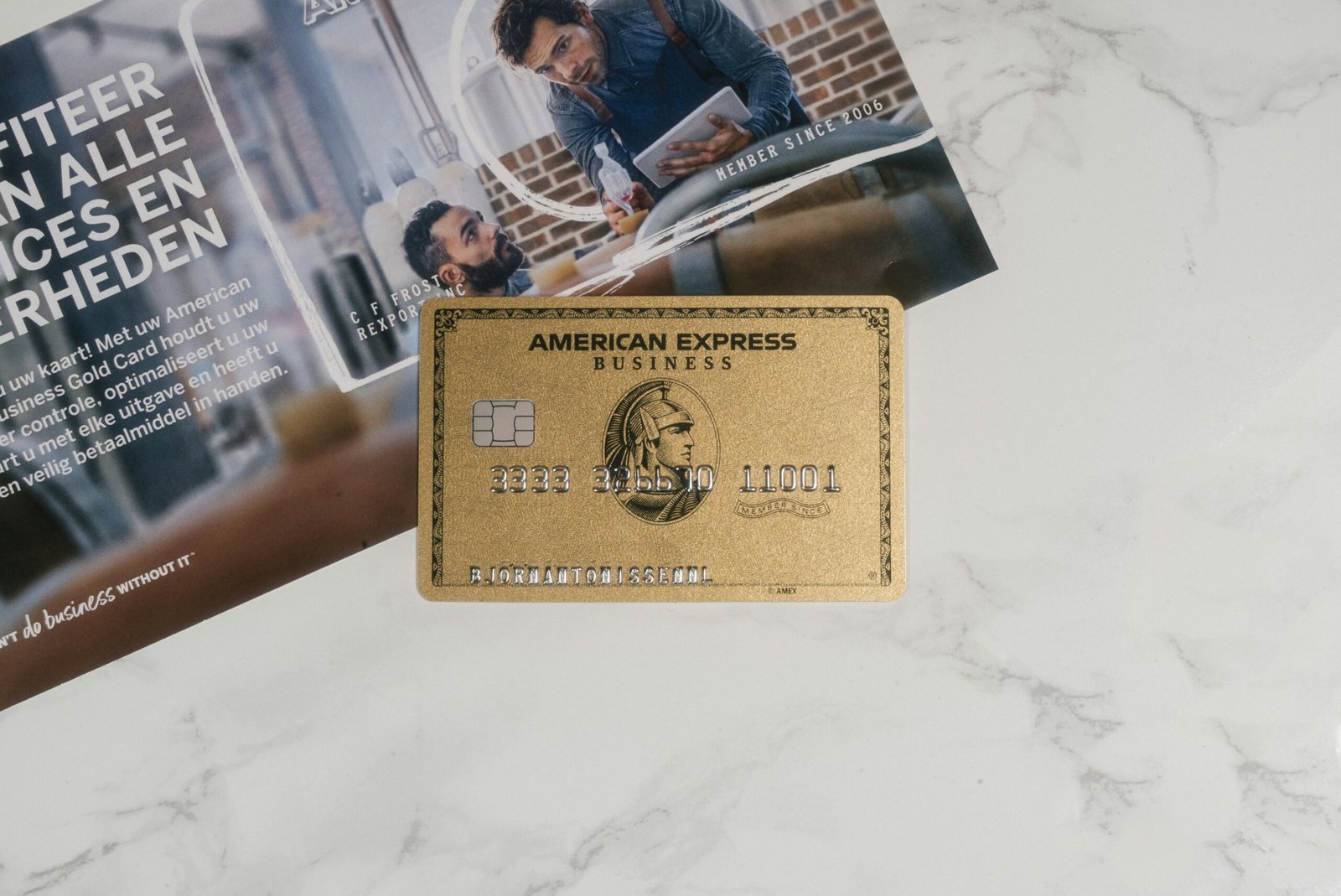
American Express
Another way, some customers may not have considered is the charges that the card provider makes to the retailers for the use of their cards. Credit card companies charge the retailers a fee for accepting their cards. They are able to make a profit on such transactions by making a profit on the spread between the cost of issuing and operating the card and the payments received from the retailers. These are called ‘Interchange’ or ‘Swipe’ fees and even if you repay your credit card in full every month, the card issuer is still making a profit every time you spend money with a retailer.
The problem with cash back credit cards is that they often charge a higher fee to the retailer in order to offset the lost revenue from the cash back to maintain an optimal spread. The spread is the difference between the income, and the costs. The card issuer will want that spread to continue to their advantage. This is why sometimes; certain credit cards are not accepted by retailers because their charges are too high. Cards such as American Express (Amex) and Discover are often not accepted everywhere in the United States due to this reason
The ‘Spread’, is also how stockbrokers and foreign currency exchanges make a profit. They will offer two different prices. Stockbrokers have the ‘Buy’ price and the ‘Sell’ price and foreign currency brokers use ‘Bid’ and ‘Sell’ prices. Both rely on the difference between the two prices or the spread to make profit.
For example: the Wall Street Journal says that ‘Made-Up Company LLC’ stock price is $1. This is not the actual price; it’s the mid-price. In this example, the sell price is $0.75, and the buy price is $1.25 (sell to them and buy from them.) This means that the stockbroker buys the stock for $0.75 and sells for $1.25. The profit to the stockbroker is the $0.50 spread.
When deciding on applying for a cash back credit card, you will need to assess whether or not it will be convenient as it may be less likely to be accepted at all retailers compared to a card that doesn’t provide cashback.