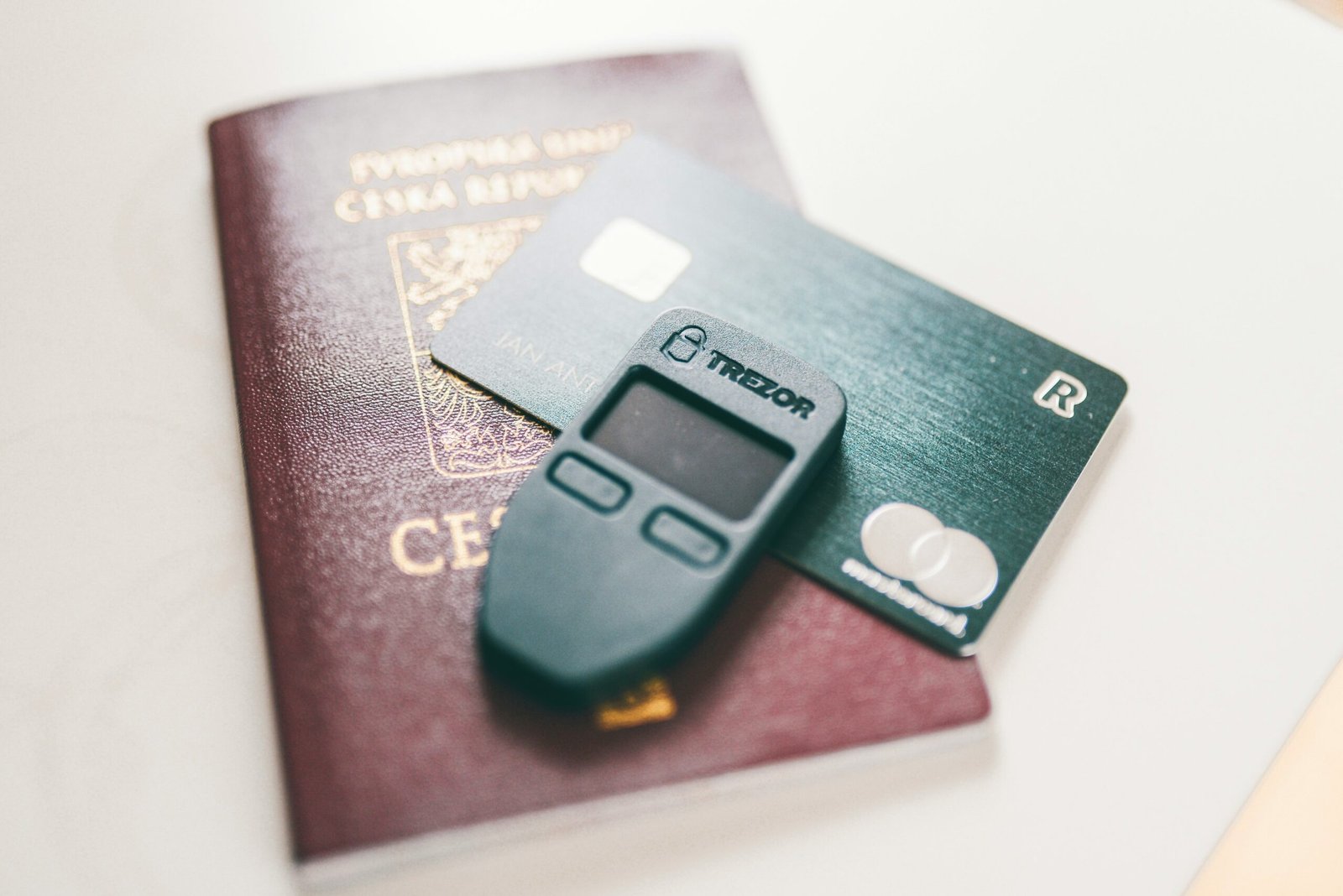
Photo by Joanna Kosinska on Unsplash
When Were Credit Cards Invented?
Debt Settlement (Spanish) – CuraDebt
To first answer this question, we need to understand what a credit card is. A credit card is a payment card issued by a financial institution such as a bank that is accepted instead of cash when making purchases. The card provides credit which has to be paid back at a later date.
Although a modern invention, credit cards find their origins in Europe some six centuries ago. To better understand credit cards, it would be useful to understand the concepts and their modern beginnings. In 15th century Italy, Luca Bartolomeo de Pacioli better known as just Luca Pacioli was a mathematician and associate of Leonardo da Vinci. As well as being a friar, Pacioli found time to publish the first book on the double-entry system of book-keeping. A system designed to record two sides of a transaction, the debit and credit. These words originate from the Latin. ‘Debere’ meaning to owe or to be under obligation to do something. The other word ‘Credere’ means to trust or be entrusted with. In this context, a credit card can be seen as credit or funds that are entrusted to a customer. Pacioli’s treatise on a double-entry system of book-keeping revolutionised business practices and for this reason, he is considered to be the father of accounting.
In simple terms, a credit card is a payment card where the financial institution as entrusted the customer with an amount of credit (money) that needs to be paid back at a prescribed date. As Pacioli pointed out in his work, there are two sides of a transaction which speaks to the perspective of the parties involved. When a customer uses a credit card, they become a debtor to the bank that issued them the card. The bank is the creditor, and the customer is the debtor. Luckily the days of Charles Dicken’s ‘Christmas Carol’ are long gone and there are no debtor’s prisons or workhouses.
Who Issued the First Credit Card?
Spoiler alert, Bank of America issued what we would call today a credit card with their BankAmericard®.
Depending on which definition you use, a number of banks and financial institutions can make claim to being the first to issue a credit card. The evolution of the credit card can be found in the creation of the first charge cards which differ to credit cards as their balances need to be paid in full at the end of the month. However, technically charge cards are credit cards as they provide credit until the repayment date.
Frank McNamara famously forgot his wallet and the idea of the charge card was born when he and Ralph Schneider created ‘The Diners Club’ card. Although not being the first charge card, as department stores had issued their own cards previously, the ‘The Diners Club’ card was acceptable across multiple different restaurants. In 1958, American Express issued their own charge card as well.
1958 was a very important year as Bank of America issued the very first consumer credit card to offer consumer customers a revolving line of credit. This is what people would commonly recognise today as a credit card. They imaginatively called their card, BankAmericard®. Bank of America went on to become Visa in 1976.
Other notable countries to issue credit cards saw the arrival of Barclaycard in the United Kingdom on 29th June 1966. Canada issued the Chargex card on 19th August 1968, which went on to become Visa. Australia launched the Bankcard in 1974 which was also available in New Zealand.