Photo by Jan Antonin Kolar on Unsplash
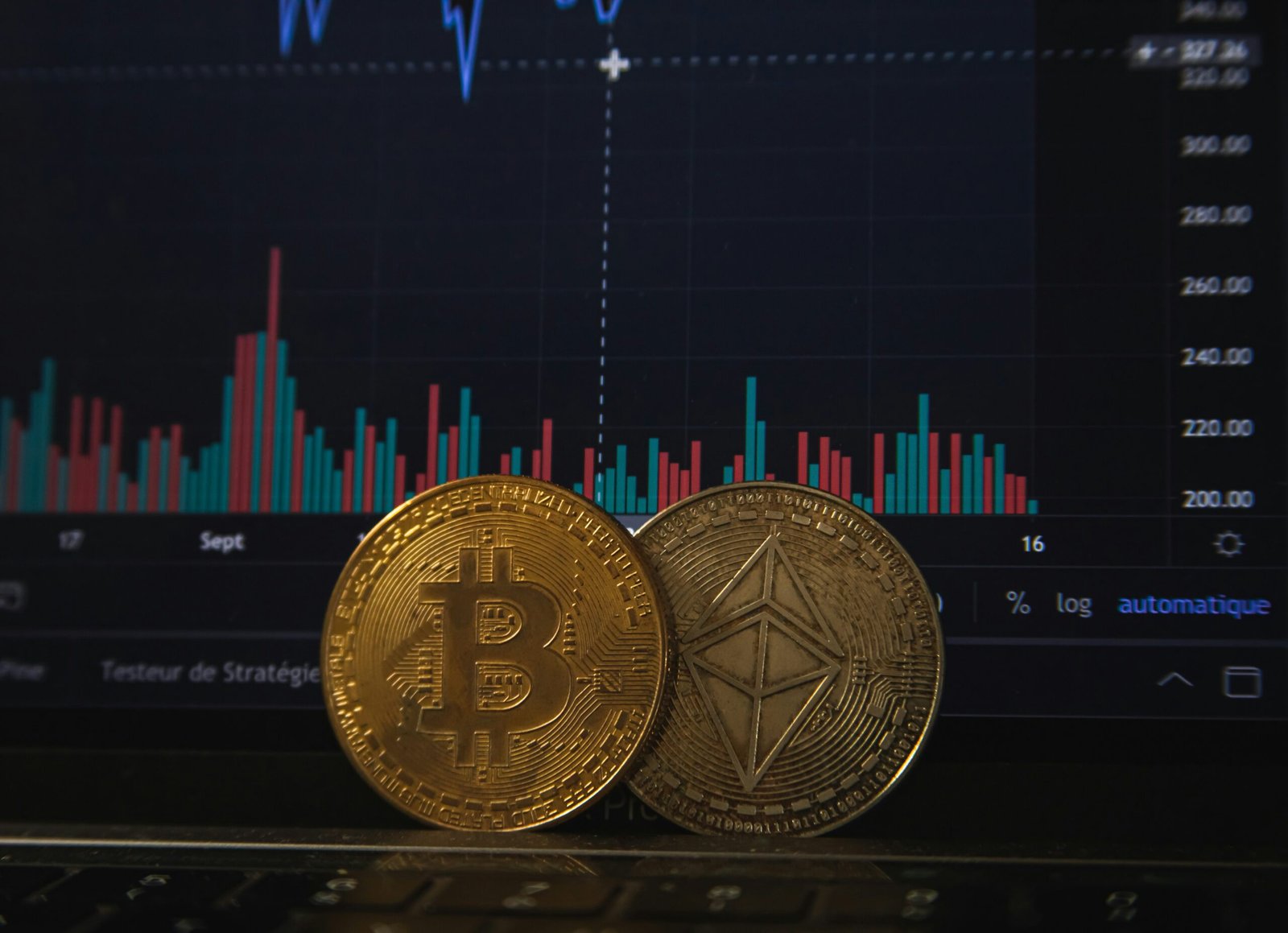
 Spare a thought for poor James Howells, a Welsh computer engineer, whose girlfriend, now ex-girlfriend, accidentally threw away his laptop in 2013. Unfortunately, the laptop contained his private key for 8000 Bitcoin. Valued at £500,000 at the time, James has unsuccessfully asked the local council on numerous times to allow him to search the Newport waste site. By November 2013, the value of the loss topped £4 million. As of writing in 2026, James still hasn’t recovered the lost laptop. On December 4th, 2024, the Bitcoin price reached 103,332.30 USD, making his holdings of 8000 coins worth $826,658,400.00 or £603,820,228.40.


What is a Cryptocurrency Wallet?
A crypto wallet has software that stores public and private keys, interacts with the blockchain, monitors your balance and helps you send and receive digital assets. Your cryptocurrency is assigned to your wallet’s private key, and the wallet provides access to the crypto, allowing you to view send and receiveCold Wallets
Many people keep their cryptocurrencies on a centralized cryptocurrency exchange (CEX) like Coinbase, Robinhood or Gemini. However, keeping your cryptocurrency on a CEX is not 100% safe. According to a Yahoo Finance article published in January 2026, cryptocurrency thefts reached a high of $4B in 2025. To counter this, many people prefer to use digital wallets to manage their cryptocurrencies instead. People may be surprised to know that these wallets don’t actually have any crypto in them. This is because the word wallet is a misnomer and a better word would be key.Private Key
Your cryptocurrency is stored on the Blockchain, a real time ledger of transactions. It is better called a key because, the wallet allows you to access your crypto that is sitting on the blockchain. There are however, two types of key assigned to your digital wallet, a public key and a private key. The public key is very much like your bank account number; you can give it to people in order for them to send you money. They are unable to access your bank account funds by just knowing your bank account number. The private key is like your login details and PIN for your banking app. Knowing these pieces of information would allow someone to remove your money. Be warned, give someone your private key and they can take your cryptocurrency without little chance of ever recovering it. The type of wallet you will use, will depend on how you’re going to manage and even spend your cryptocurrency, such as Bitcoin and Ethereum. You can only send and receive Bitcoin to a Bitcoin wallet and likewise with Ethereum. This is because the different types of cryptocurrencies are operating on different systems.Hot Wallets
There are two types of cryptocurrency wallets which are called a Hot Wallet and a Cold Wallet. This distinction is based on how the keys are stored. Hot wallets, create and store your keys online whereas cold wallets store them offline. Being connected to the internet ‘hot’ brings with it some security concerns compared to a cold wallet that is not connected to the internet. Generally speaking, the cold wallet is the most secure and an exchange is the least secure. Furthermore, some of the exchanges operate using a fractional reserve banking model in which in some instances they will lend out more than they possess. If everyone withdrew their cryptocurrencies at the same time, there would be a ‘Bank Run’.Seed Phrase
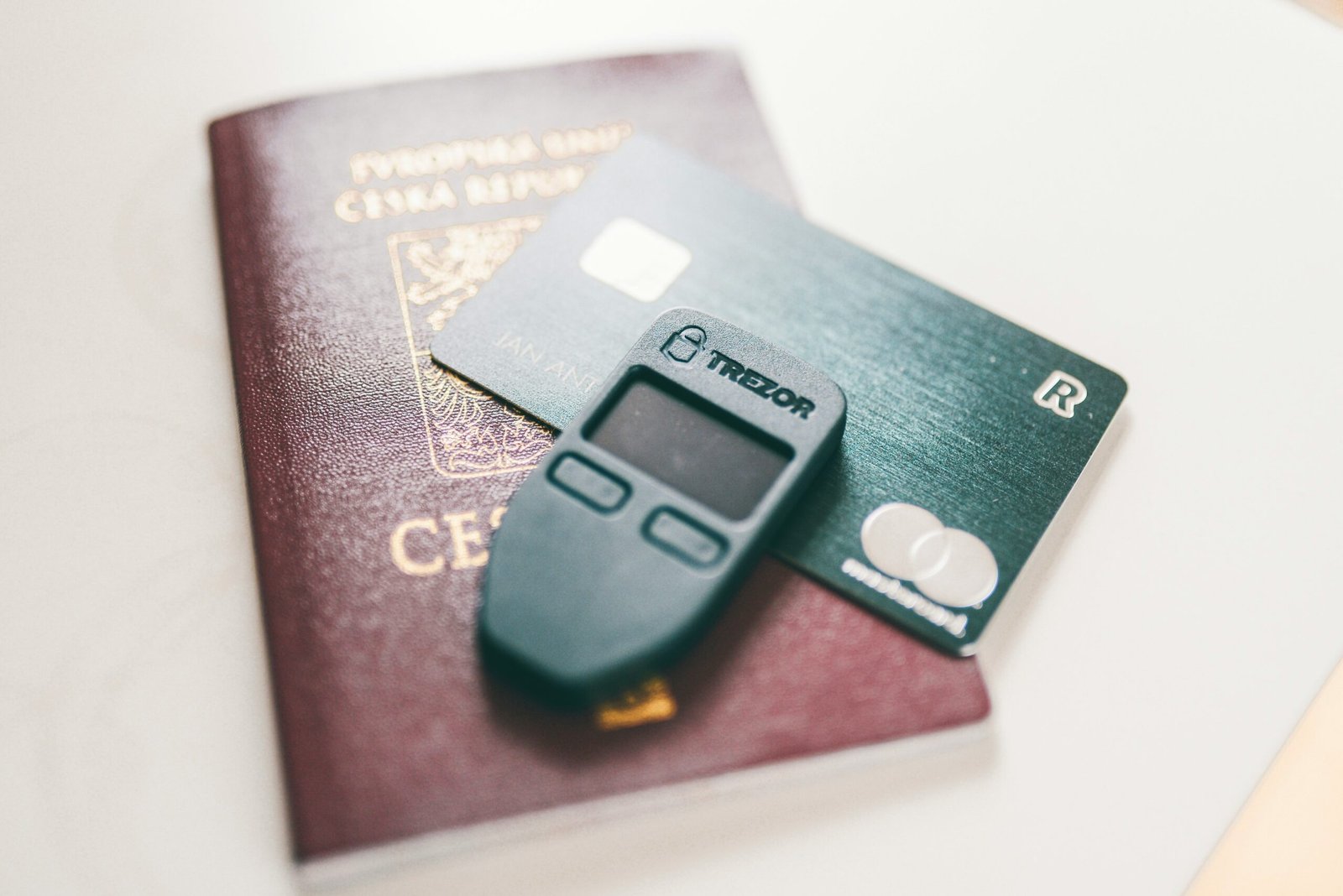
Cold wallets are hardware wallets and are deemed the safest. Popular brands of cold wallet are the ‘Ledger Nano X, ‘Trezor Safe 3’, and ‘Tangem Wallet’. Beware of buying second hand digital wallets as the previous owner may have installed software in order to steal your cryptocurrency. Always buy direct from the manufacturer. When you set up your crypto wallet you create a Seed Phrase. This is a memorable phrase between 12 and 24 words that you can use to recover your private key or to use when you change your cold wallet. It is also advised that if you want to initiate transactions with some of your cryptocurrency, it is good practice to also have a hot wallet to which you can transfer the funds from your cold wallet to the hot wallet. This makes sure that cold wallet isn’t connected to the internet when making transactions. It is also good practice to write down your private key on a piece of paper and store it away securely.James Howells
Spare a thought for poor James Howells, a Welsh computer engineer, whose girlfriend, now ex-girlfriend, accidentally threw away his laptop in 2013. Unfortunately, the laptop contained his private key for 8000 Bitcoin. Valued at £500,000 at the time, James has unsuccessfully asked the local council on numerous times to allow him to search the Newport waste site. By November 2013, the value of the loss topped £4 million. As of writing in 2026, James still hasn’t recovered the lost laptop. On December 4th, 2024, the Bitcoin price reached 103,332.30 USD, making his holdings of 8000 coins worth $826,658,400.00 or £603,820,228.40.