Photo by NORTHFOLK on Unsplash
How does a Credit Card Work?
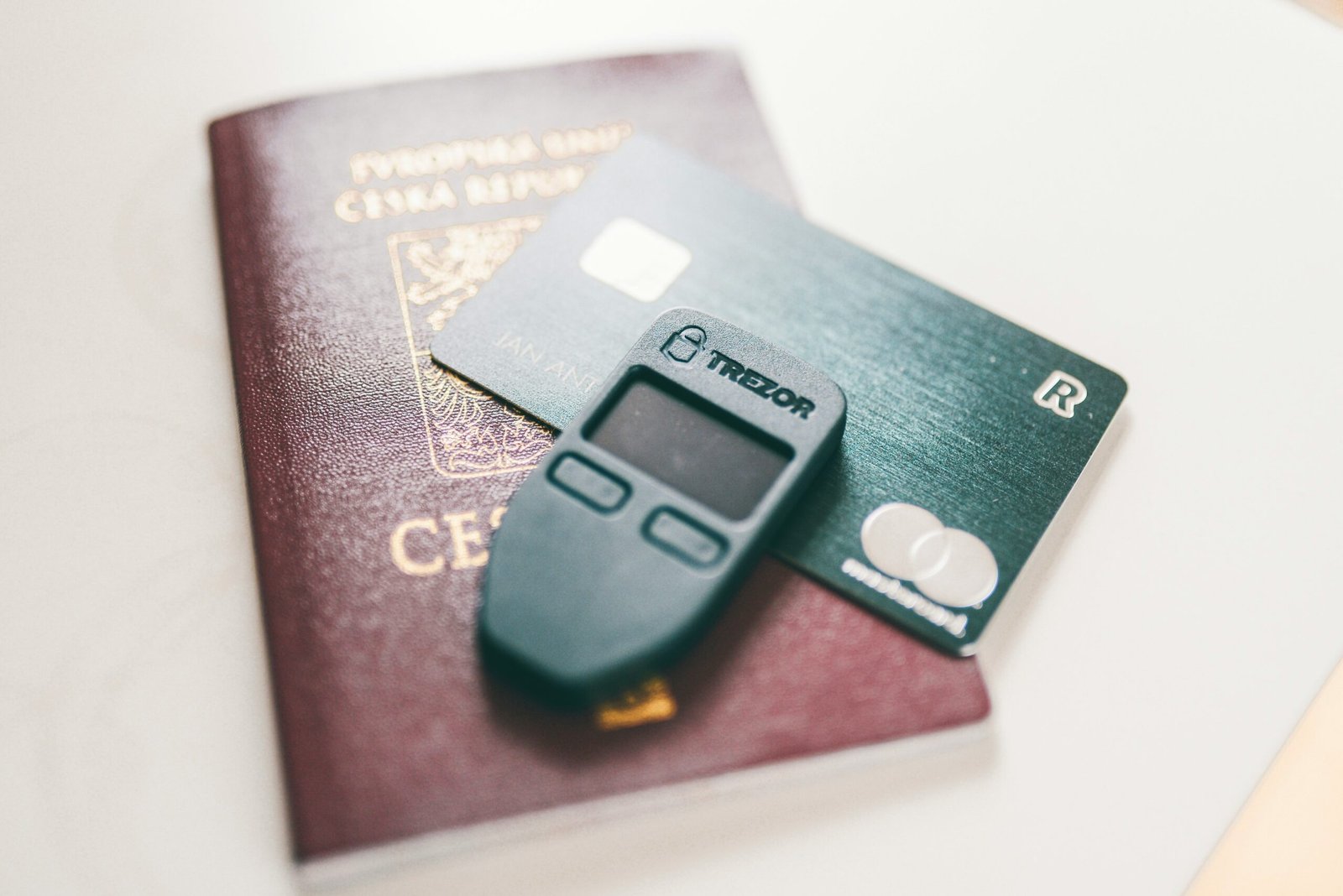
A credit card gives the cardholder a line of revolving credit which allows them to visit restaurants, shops and other business premises including online retailers to make purchases without cash. It differs to a debit card as the funds are not taken directly from their bank account or savings.
Depending on the type of credit card issued, the cardholder is provided with a revolving line of credit. The cardholder through use of the credit card, borrows money from the card issuer and agrees to repay the debt at an agreed time. There is usually a longer window to make a repayment on a credit card when it is fist issued. This is because the billing cycle is around 30 days before a statement is issued, requesting repayment in around 21 to 25 days. This means that the first repayment may not be due for 56 days from the issue of the card. It is extremely important to make repayment before the due date as a ‘Late Payment Fee’ can be attached as well as the damage to your credit file / score. You should also bear in mind that your repayment may not be processed immediately, and you should pay earlier to avoid missing the repayment date.
What is the Annual Percentage Rate?
When you first apply for a credit card, the card company will provide you with the card’s ‘Annual Percentage Rate’ and any other introductory offers. The ‘Annual Percentage Rate’ is often shortened to just APR. This is the rate at which credit is charged to the customer over the course of a year. For example, if a credit card as an APR of 30% it means that you will pay $30 dollars pear year on every $100 dollars of your outstanding balance. The best practice for using a credit card, is to pay the full balance every month, completely avoiding any interest charges. If you have an interested free credit card, you may be able to make the minimum repayment amount whilst the interest free period is operation. You should speak to a financial advisor before considering any sort of financial product. Please see the ‘Disclaimer Page’ on this site.